May 2026 · 5 min
Provenance is a chain, not a certificate
A lab report tells you what a stone is. It cannot tell you where it has been — and the second question is the one that matters.
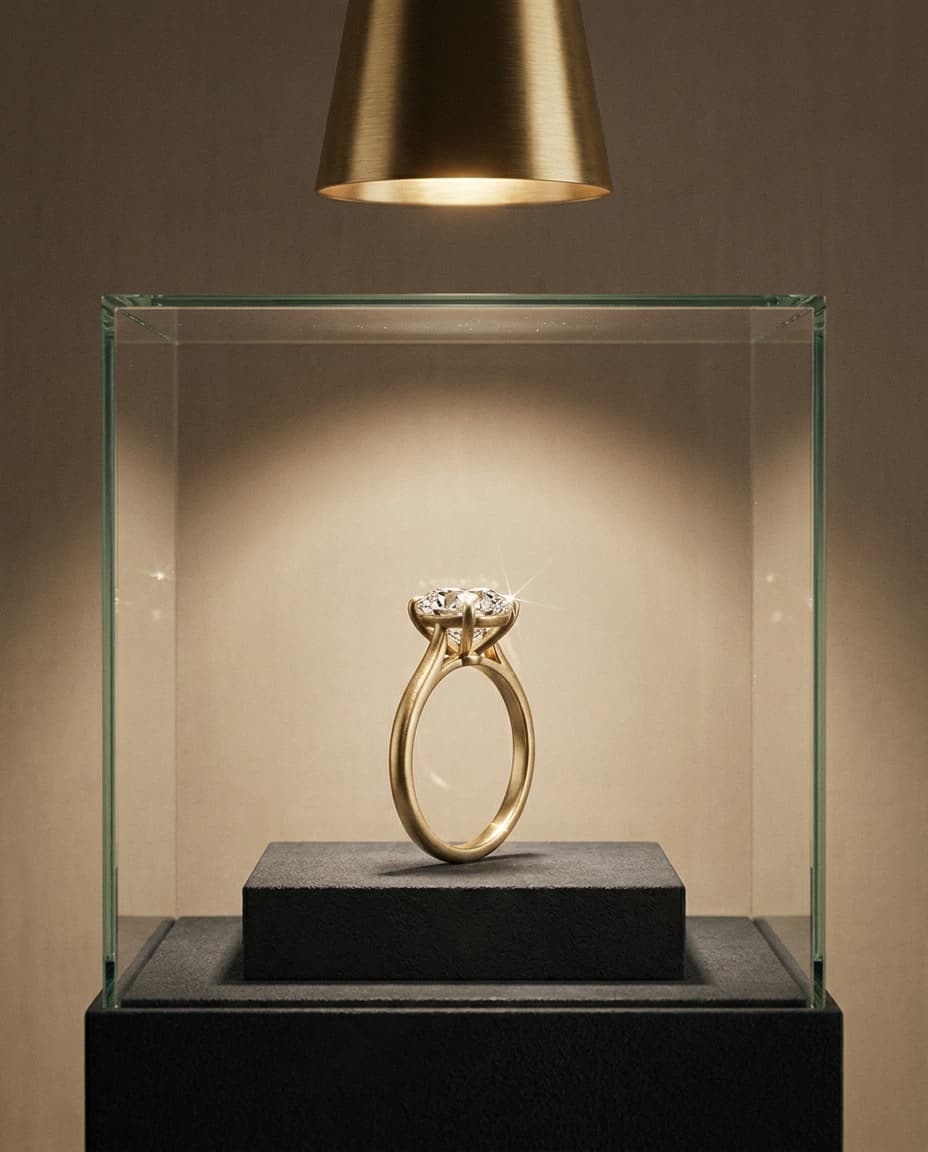
The most dangerous object in the luxury market is a genuine certificate attached to the wrong thing. Fakes are easy; swaps are hard. A laboratory report describes a stone — weight, colour, clarity, the geometry of its cut. It does not describe the hands it has passed through, and it travels in an envelope that can be opened.
This is why our jewellery and collectibles worlds insist on chains, not documents. A chain is a sequence of custody you can interrogate: who consigned it, to whom, against what receipt, photographed when, weighed by whom. Each link is boring. That is the point. Provenance is the accumulation of boring facts that no forger has the patience to assemble, because every link must agree with every other link — dates, weights, photographs, signatures — across decades.
When a piece arrives with gaps in its chain, we say so on the listing. A gap is not a scandal; objects outlive their paperwork all the time, and an honest gap, stated plainly, is worth more than a suspiciously complete file. What we will not do is paper over a gap with adjectives. 'Believed to be', 'attributed to', 'reportedly from the collection of' — these phrases are where the market hides its doubt. We prefer a sentence with a date in it or no sentence at all.
Buyers sometimes ask why our collectibles collection is so small — a handful of watches, a painting, a royal cloth. The answer is that chains take weeks to walk. We have called auction houses for twenty-year-old lot numbers, asked a widow's permission to cite a receipt, and flown a watch to Geneva because the archive would only confirm the movement in person. Each verification is a small piece of detective work, and we are a small detective agency.
But the result is a different kind of marketplace. When you buy from a chain, you are not trusting our taste; you are inheriting our homework. The file comes with the object. The names are in it. And the next time the piece is sold — by you, in ten years, somewhere we have never heard of — the chain is one link longer, and stronger, because it passed through a place that took provenance literally.
Next entry
The six-point standard, explained